
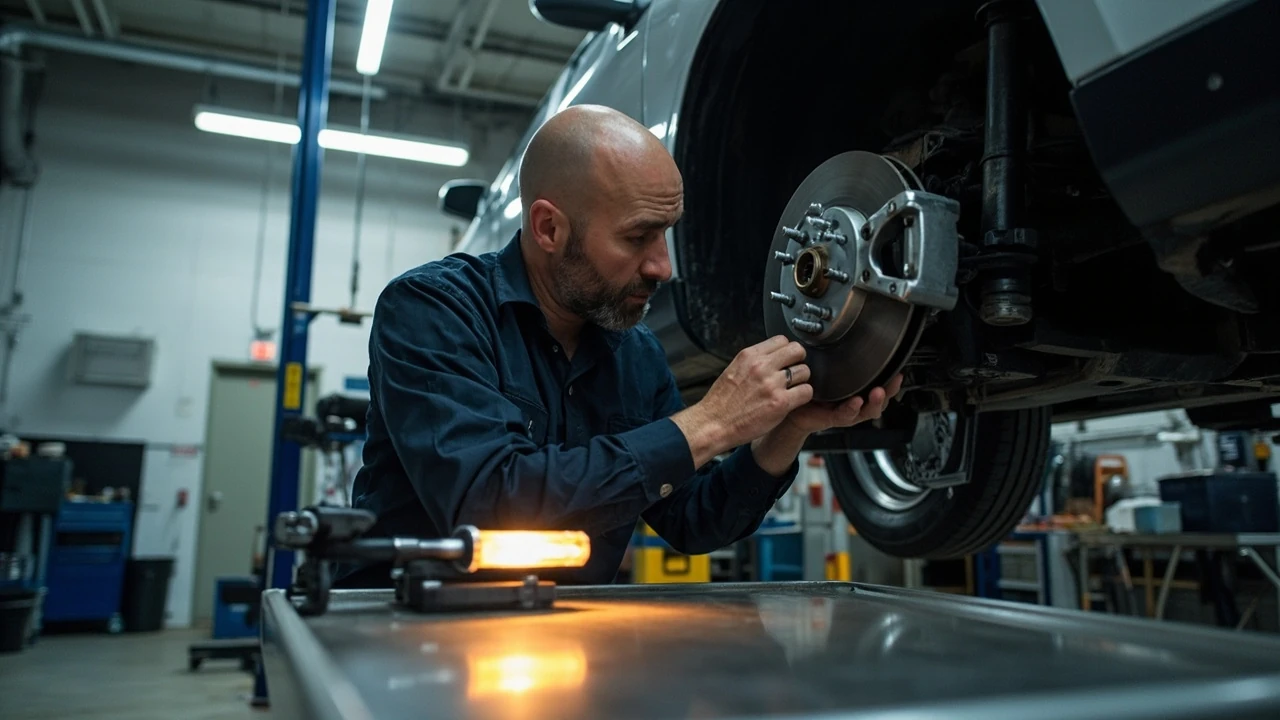

What brake repair services include and how they protect your vehicle
A grinding noise when you press the brake pedal, a steering wheel that shakes under light braking, or a pedal that travels farther than usual should not be ignored. These are not minor inconveniences: they are signs that a brake component may be worn, damaged, contaminated, or unable to hold the vehicle in a straight line. Brake repair services give you a way to identify the cause before the problem spreads to more expensive components or creates a serious hazard on the road.
The right repair begins with a diagnosis rather than a preset parts list. A technician may need to inspect the pads, rotors or drums, calipers, parking brake, brake hoses, fluid, lines, and electronic braking components. The best brake repair services also explain what failed, why it failed, and what can safely be repaired or replaced. This guide walks through warning signs, inspection steps, repair choices, estimate questions, and safer ways to handle a problem between appointments.
Warning signs that call for a brake inspection
Brake deterioration can be gradual, but many drivers notice the first sign before the stopping performance changes. Pay attention to the sound, feel, appearance, and behavior of the vehicle rather than relying on one warning light alone.
| What you notice | Likely areas to inspect | Why it matters |
|---|---|---|
| Squealing or screeching | Brake pads, hardware, debris, or moisture | The sound may change as pad material wears, but it should still be checked promptly. |
| Grinding | Worn pads, rotor or drum damage, and related hardware | Metal-to-metal contact can damage the friction surface and make a broader repair necessary. |
| Vibration through the pedal, steering wheel, or seat | Rotor or drum condition, wheel-related components, and mounting points | Uneven surfaces or runout may cause inconsistent friction and reduce stability. |
| Soft, low, or unusually firm pedal | Fluid level and condition, air in the hydraulic system, master cylinder, hoses, and lines | Pedal feel can indicate either air in the system or a fluid-related problem. |
| Pulling to one side while braking | Caliper operation, friction surfaces, and related suspension or steering parts | Uneven braking affects control, especially during an emergency stop. |
| ABS or brake warning indicator | Fluid, sensors, wiring, brake modules, and system components | The exact cause depends on the vehicle, so the warning should be diagnosed rather than reset without an inspection. |
| Burning odor after ordinary braking | Overheated friction surfaces or a dragging component | A sharp chemical smell may signal heat damage; smoke or a burning smell calls for caution. |
Several warning signs deserve a prompt response:
- Do not ignore metal-on-metal grinding. It commonly appears after the friction material has worn down, and continuing to drive can damage the rotor, drum, or other parts.
- Treat a soft pedal seriously. Air, moisture, leaks, or other hydraulic issues can reduce the consistency of the brake pedal.
- Do not rely on the parking brake alone. If the vehicle continues to roll, burns a smell, or overheats after parking, have it inspected before extensive use.
- Watch for instability. Pulling, repeated wheel lockup, or an ABS warning can indicate a problem that affects vehicle control.
- Separate one incident from a pattern. A single brief noise after rain may come from moisture, while a recurring noise, vibration, or pedal change deserves an inspection.
A general brake inspection is useful even when nothing feels wrong. Friction material wears gradually, and older vehicles may also develop fluid contamination, corrosion, or damage in flexible components. Inspection can establish a baseline and make it easier to compare later symptoms.
What a professional brake diagnostic should include
A useful appointment begins with a conversation. Tell the technician when the symptom occurs, whether it happens during light or firm braking, and what changed recently. If the noise appears only at low speed, mention that fact. If the vehicle pulls after rain, stands still for several days, or has recently had service, those details may help narrow the inspection.
Brake repair services generally follow a diagnostic sequence:
- Confirm the symptom. The technician may road-test the vehicle if the condition is safe to reproduce and the shop’s procedures permit it.
- Inspect the visible friction components. Pads or shoes, rotors or drums, calipers, wheel hardware, and related visible parts are checked for wear, damage, leakage, and contamination.
- Check pedal and hydraulic behavior. The technician evaluates pedal travel and firmness, fluid condition and level, and evidence of leaks in hoses, lines, and fittings.
- Assess the parking brake. Adjustment, cables, shoes, pads, or electronic components may be involved depending on the vehicle.
- Review electronic information when applicable. Diagnostic equipment may reveal stored brake, ABS, or stability-control fault information. A code identifies an area to investigate; it does not by itself prove which part has failed.
- Measure and document. Where applicable, the shop checks friction-material condition, rotor thickness and runout, and other specifications against the vehicle manufacturer’s requirements.
- Present findings and options. The technician should distinguish safety-related repairs from maintenance that can be scheduled later.
This process matters because similar sounds or sensations can come from different components. A vibration may involve the friction surface, but wheel-related conditions can also affect the sensation. A low pedal can involve fluid or air, while brake-system faults may contribute to the problem. The diagnosis should connect the evidence to a repair rather than treating one symptom as proof of a particular failed part.
Ask whether the inspection is limited or comprehensive. A visual check during another service may not include all of the steps above. Likewise, a written estimate for replacing pads does not necessarily include fluid service, rotor machining, parking-brake work, or electronic diagnosis. A clear scope prevents misunderstandings when the vehicle is returned.
Repair or replacement: understanding the options
Once a fault is identified, the technician may recommend repair, replacement, cleaning, adjustment, or a combination. The correct choice depends on the component, the extent of the damage, the manufacturer’s specifications, and the vehicle’s condition. Brake repair services should not be treated as one interchangeable package.
| Component or issue | Possible work | Questions to ask |
|---|---|---|
| Worn pads or shoes | Replacement and inspection of related parts | Is the friction material worn enough to require replacement, and are the mating surfaces within usable condition? |
| Rotor or drum surface | Resurfacing when permitted and within specification, or replacement | Can the part be safely machined, or is it below the minimum usable thickness? |
| Caliper | Cleaning, lubrication, seal or hardware service, rebuilding, or replacement | What evidence shows the caliper is stuck, damaged, or unable to retract normally? |
| Brake hose or hard line | Replacement after leak or damage is confirmed | Is there visible leakage, swelling, cracking, chafing, or another reason the line cannot remain in service? |
| Brake fluid | Flush or replacement according to condition and service guidance | What condition was observed, and is fluid service included in the estimate? |
| Parking brake | Adjustment or component repair or replacement | Can the problem be corrected by adjustment, or is a cable, shoe, pad, or actuator component damaged? |
| ABS-related fault | Electrical diagnosis and repair or replacement of the failed component | Has the stored information and live system behavior been checked, rather than treating the warning light as the fault? |
Resurfacing a rotor and replacing it are not interchangeable choices. Machining can restore a usable friction surface when the rotor remains within required thickness limits and does not have disqualifying damage. Replacement may be necessary when the component is too thin, cracked, deeply scored, warped beyond limits, or otherwise unsuitable for service. A responsible provider should explain why the selected method is appropriate for the vehicle rather than offering one answer for every rotor.
Caliper work also requires careful language. Cleaning and lubricating slide pins may address a sticking or noisy caliper, while a damaged piston, torn boot, leak, or severe corrosion may justify rebuilding or replacement. Because the caliper applies pressure to the friction material, its condition affects both braking force and pad wear. A thorough inspection is more useful than assuming the caliper is simply “frozen.”
For a practical example of the range of work that may appear in a local brake service menu, Accu-Tech Automotive’s brake service overview describes inspections and repairs involving ABS, brake fluid, hoses, pads and shoes, calipers, and rotors. Its discussion of common symptoms also illustrates why brake repair services should begin with a clear diagnosis rather than a single-part assumption.
How to evaluate a brake repair provider
Choose the shop based on its diagnostic process, communication, and treatment of your vehicle—not only on a low advertised price. A written price can be useful, but it cannot predict every repair in an old or damaged system. The provider should be willing to inspect, explain, and document what they find.
Before authorizing work, ask the following questions:
- What exactly is included in the initial inspection? Confirm whether the technician will inspect the full system or only the area associated with the reported noise or pedal concern.
- How will the diagnosis be confirmed? Look for measurements, visual evidence, fluid testing, or electronic information rather than a conclusion based only on the symptom.
- Is the estimate a diagnosis or a permission to replace multiple parts? Request that the authorization list identifies each part, labor operation, and additional charge.
- Which parts will be new, remanufactured, or salvaged? The quote should make this distinction clear where applicable.
- Are rotors included? Often, the estimate covers pads and labor while leaving rotor machining or replacement as a separate line.
- Is brake fluid service included? If fluid is old, contaminated, or below the proper level, clarify whether a flush or replacement is recommended.
- What happens if the shop finds additional damage? A good provider will contact you for approval before performing work beyond the authorized scope.
- Are road testing, wheel cleanup, and final inspection included? These steps help verify that the repair operates as intended and that hardware is properly secured.
- What warranty or repair coverage applies? Ask for the terms in writing and clarify what is covered, for how long, and by which party.
- Will the invoice explain the work? It should identify the diagnosis, parts used, and operations completed.
Look for a clean work area, organized communication, and technicians willing to answer questions. It is also reasonable to ask whether the provider handles your vehicle’s make and model and whether any specialized electronic brake systems require specific diagnostic capability. A modern brake system may include ABS, traction control, electronic stability control, parking sensors, and driver-assistance features that interact with braking hardware.
Reviews and recommendations can help you build a shortlist, but they should not replace direct communication. Pay attention to whether a shop offers a clear estimate, explains its findings, and avoids promising that a minor repair will fix every symptom without inspection.
Understanding estimates without relying on a single price
Brake work can range from a focused fluid service to repairs involving multiple hydraulic, friction, and electronic components. A low estimate may cover only one operation, while a higher estimate may include more diagnosis, parts, and related work. Because costs vary by vehicle, location, labor time, parts choice, and condition, compare written estimates based on the same scope.
When comparing quotes, normalize the following items:
| Estimate item | What to verify | Why it affects the decision |
|---|---|---|
| Diagnostic labor | Whether inspection is separate, credited toward repair, or included | A clear diagnostic scope helps explain what the labor charge covers. |
| Friction components | Pad or shoe type, quantity, hardware, and labor | Low-cost products may differ in compound, finish, and expected service characteristics. |
| Rotor or drum service | Resurfacing allowance, replacement price, and thickness assessment | The quote should explain how surface condition affects the final choice. |
| Hardware and seals | Whether clips, pins, shims, hoses, seals, or fasteners are included | Reusing damaged hardware can compromise the repair or create new problems. |
| Fluid service | Type of fluid, quantity, and whether a complete flush is included | The correct fluid specification and contamination level affect the work needed. |
| Taxes, shop supplies, and disposal | Which charges are billed separately | These smaller line items can otherwise make two comparable quotes appear different. |
| Additional authorization | Phone approval process and maximum amount allowed | A set spending limit can prevent unplanned work if another issue is found. |
A sound estimate is not simply the lowest total. It is specific enough to tell you what will be replaced, what will be inspected, what remains conditional, and how the work will be verified. If a quote requires replacing a major component without explaining the evidence, ask for that evidence in writing.
Also clarify the source of the parts. New, remanufactured, and salvaged components can have different costs and warranties. The provider should identify the part grade in the estimate rather than leaving it vague. For electronic or hydraulic parts, compatibility matters, and the safest choice is the part specified for the vehicle or a documented equivalent that meets the required standard.
When a shop recommends brake repair services beyond an immediate concern, request a prioritized explanation. You can then distinguish an item required for safe operation from preventive maintenance or a repair that can be scheduled later, subject to the technician’s safety judgment and the manufacturer’s guidance.
Safe ways to handle a brake problem before the appointment
Brake work is not an ideal DIY task for many drivers because mistakes can reduce stopping performance or create hazards during the repair. Hydraulic systems must be handled carefully, and modern vehicles may require electronic procedures that are difficult to verify without proper training and equipment. Some inspection tasks can be done by a careful owner, but replacing or adjusting components should generally be left to a qualified technician.
If a brake symptom appears, use these steps:
- Reduce speed and distance. Allow more stopping space and avoid heavy traffic when possible.
- Avoid repeated hard braking. Additional heat and friction can turn a pad or rotor issue into damage to other parts.
- Do not ignore a fluid leak. If brake fluid is leaking, avoid continuing to drive the vehicle unless the shop advises that it is safe to do so.
- Do not attempt to adjust the parking brake to compensate. A pedal or lever that travels too far may reflect a deeper hydraulic problem.
- Keep distance from other vehicles. Do not rely on the brake warning light as permission to continue normal driving.
- Ask for a tow if stopping performance is uncertain. This is especially important when the pedal is soft, the vehicle pulls, fluid is visible under the car, or a wheel is dragging.
Stopping immediately is generally warranted when there is smoke, a rapidly spreading fluid leak, a pedal that will not firm up, severe pulling, a burning smell that does not clear, or a wheel that remains locked or overheated. Turn on the hazard lights, move to a safe location if possible, and contact a repair shop or roadside assistance provider for instructions appropriate to the situation.
One brief noise does not always mean the vehicle is dangerous, and a long drive does not automatically prove the brakes are sound. The safest response depends on the symptom’s severity and consistency. The closer the problem is to a major loss of braking performance, the less appropriate it is to rely on the vehicle for normal travel.
After the repair: what to verify and how to maintain stopping performance
At pickup, the repair should not end with the invoice. Ask the provider to explain what was found, what was replaced, and what was inspected but left in service. Review the completed-work list and make sure it matches the authorized estimate. If the final price is higher, ask which additional work was performed and whether you authorized it.
Before leaving, confirm the following:
- The brake pedal feels normal for the vehicle, without excessive travel or an obvious change in firmness.
- The vehicle remains stable during controlled braking and does not pull unexpectedly.
- The repair address is quiet, unusual vibration, hot odors, or dashboard warnings that were present before the visit.
- The wheels and tires are properly installed, and any wheel-related hardware was reinstalled correctly.
- Brake components and the area around them are free of leaks or obvious debris.
- You receive an itemized invoice with parts, labor, and any remaining recommendations.
- Any warranty, adjustment period, or follow-up instructions are in writing.
Good brake maintenance is largely about using the system as intended and watching for changes. Avoid riding the brake pedal during ordinary traffic, which can create unwanted heat. When parking on a slope, follow the vehicle’s instructions and avoid holding the vehicle with the brake pedal alone. Do not ignore a dragging wheel, even if the brake pedal itself feels normal.
Follow the vehicle manufacturer’s maintenance guidance for inspections, fluid checks, and friction-component service. Driving conditions matter. Frequent towing, steep grades, city traffic, heavy loads, and repeated high-speed stops can increase demand on the braking system. If the vehicle is used for those conditions, discuss the inspection schedule with a qualified provider rather than waiting for a dramatic symptom.
Alignment is another part of tire and vehicle control, though it is not a substitute for brake service. Uneven tire wear or a steering issue can affect how a vehicle behaves during braking. If the vehicle pulls, the steering wheel is not centered, or the tires wear irregularly, consider the guidance in Wheel Alignment: What It Does and Why It Matters. If cost comparison is the next step, Firestone Alignment Price: What Will You Actually Pay? explains the variables that can affect an alignment quote.
Frequently asked questions
How do I know when I need brake repair services?
Schedule an inspection when you notice recurring squealing, grinding, vibration, a soft pedal, pulling, fluid leakage, unusual heat, or a brake or ABS warning indicator. A general inspection is also sensible when the friction components or brake fluid have not been checked according to the vehicle’s maintenance guidance.
Can I drive with squealing brakes?
You should avoid treating repeated squealing as harmless and avoid extended or high-speed driving until the brakes are inspected. A brief noise after rain may come from moisture, but a recurring sound can indicate wear, contamination, or another fault. If braking performance feels reduced, contact a repair shop before relying on the vehicle for normal travel.
What does a brake inspection usually include?
The scope depends on the provider and vehicle, but a comprehensive inspection can include the friction components, calipers, parking brake, pedal feel, fluid condition, hoses and lines, visible leaks, and electronic brake information. Ask what is included and which measurements or tests the technician will perform.
Do brake pads always need to be replaced together?
Many service procedures involve replacing the set on an axle together because uneven friction can affect stopping consistency and wear. A technician should base the recommendation on the vehicle’s design, measured condition, and manufacturer guidance rather than on a universal rule.
Can brake rotors be resurfaced instead of replaced?
Resurfacing may be appropriate when the rotor is within usable thickness limits, remains structurally sound, and can be machined to the required specification. A rotor that is too thin, cracked, deeply damaged, or otherwise unsuitable may need replacement. The shop should inspect and measure it before making that recommendation.
Why does my brake pedal feel soft?
A soft or low pedal can result from air in the hydraulic system, low or contaminated fluid, a leak, or a problem with a master-cylinder or related component. Brake repair services should identify the cause rather than simply bleeding the system or adding fluid without checking for the underlying fault.
Is brake fluid service part of a pad replacement?
Not necessarily. Fluid service may be included in some estimates and separate in others. It also depends on the fluid’s condition and the vehicle’s service requirements. Request the fluid specification and quantity in writing and ask whether the quote includes a complete flush or replacement.
Why does my car pull to one side when I brake?
Uneven friction material, a sticking or damaged caliper, and differences in surface condition can cause pulling. Wheel and suspension conditions can also affect vehicle behavior. A diagnostic inspection should separate a brake-system fault from a separate steering, tire, or suspension concern before parts are replaced.
Should I replace all brake parts at once?
Not without an inspection and a clear explanation. Some parts wear on similar schedules, while others may still have usable life. A reputable provider can distinguish parts that require replacement now, items that should be monitored, and maintenance that can be scheduled later. Do not approve a blanket replacement list without knowing how each condition was identified.
What should I ask before authorizing brake work?
Ask for a written estimate that identifies the inspection scope, parts, labor, hardware, fluid service, exclusions, and any items requiring further approval. Also ask how the diagnosis was confirmed, what warranty applies, and how the repair will be checked before the vehicle is returned. Clear answers help you compare providers and understand the final invoice.